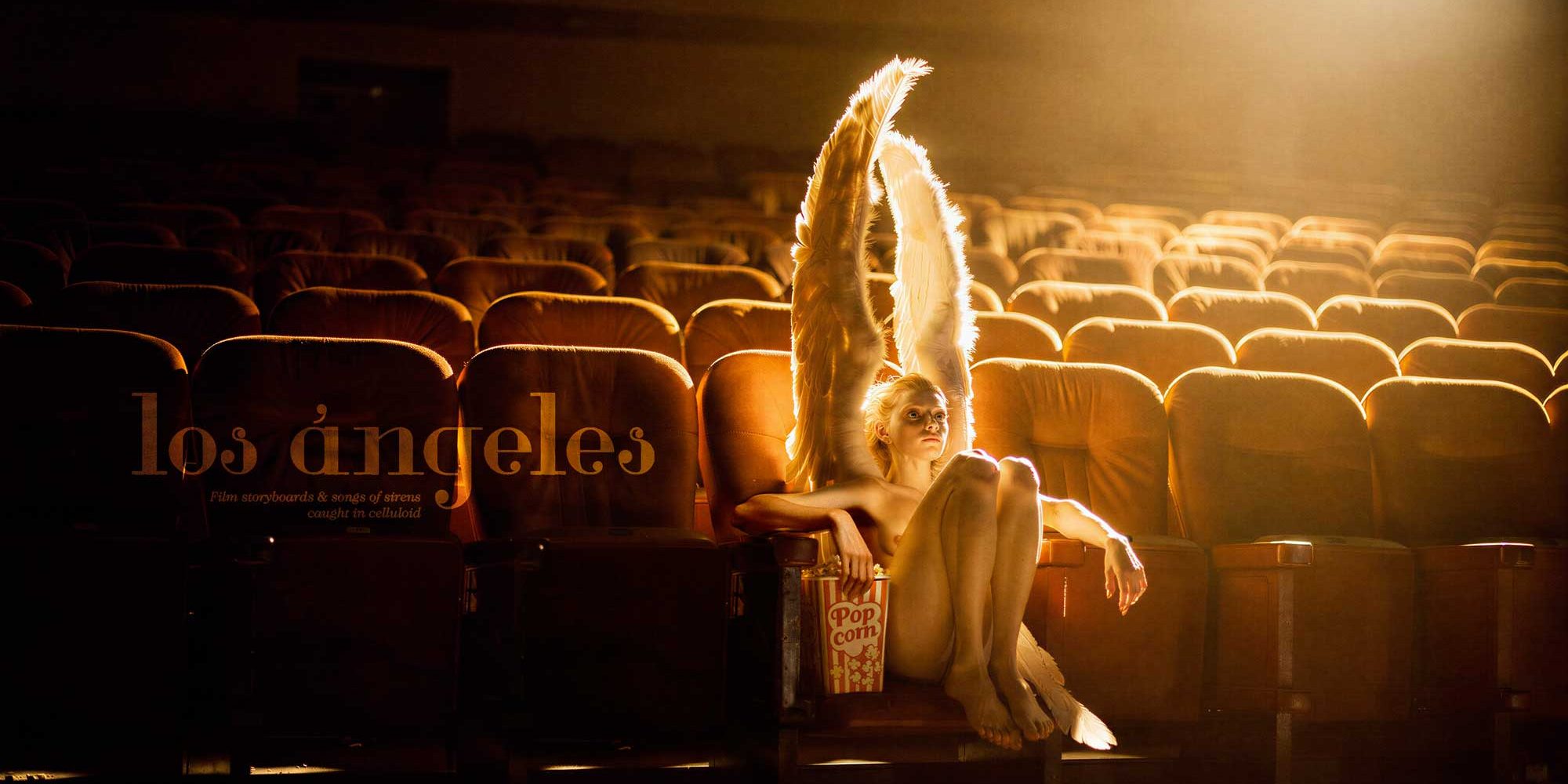
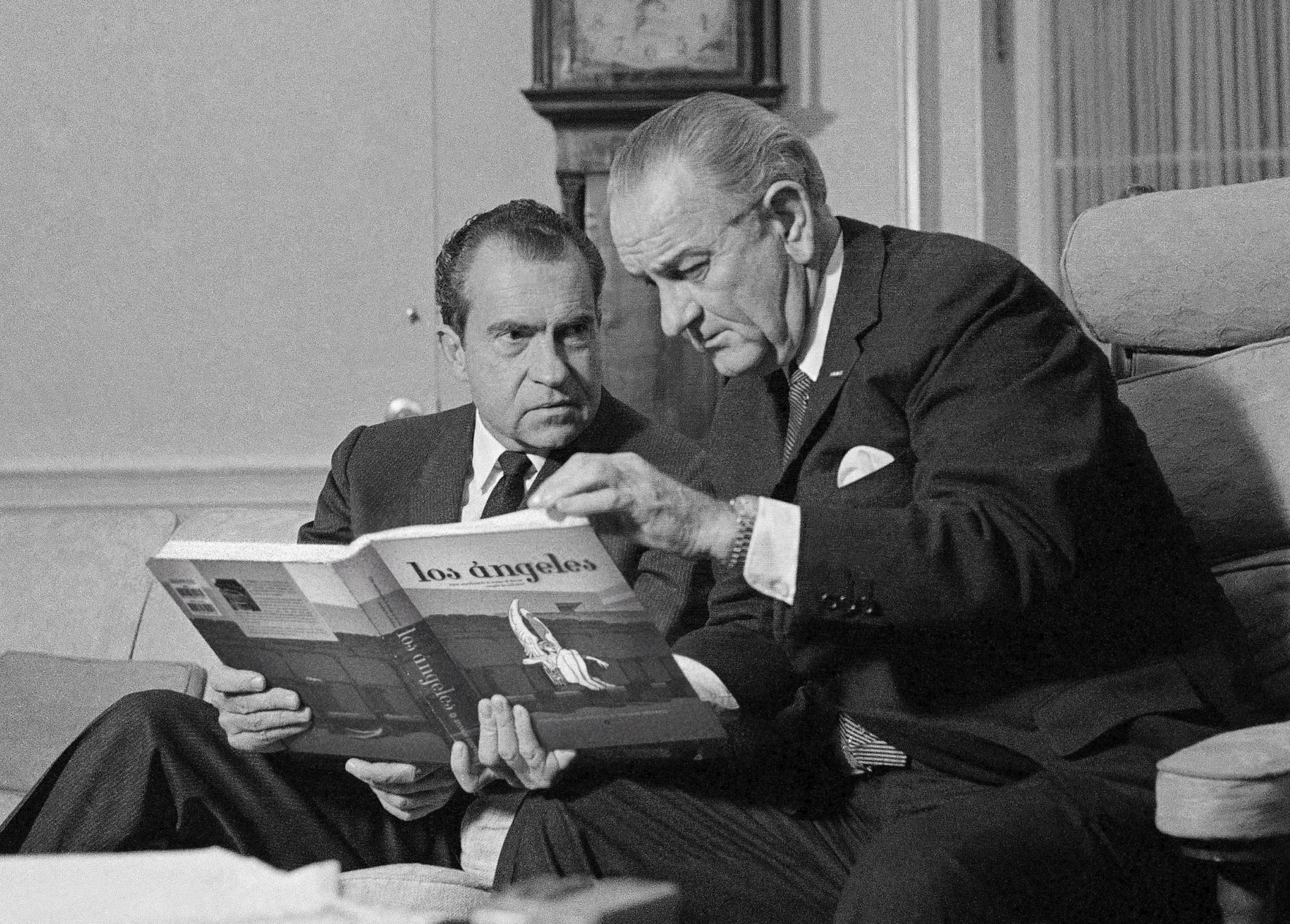
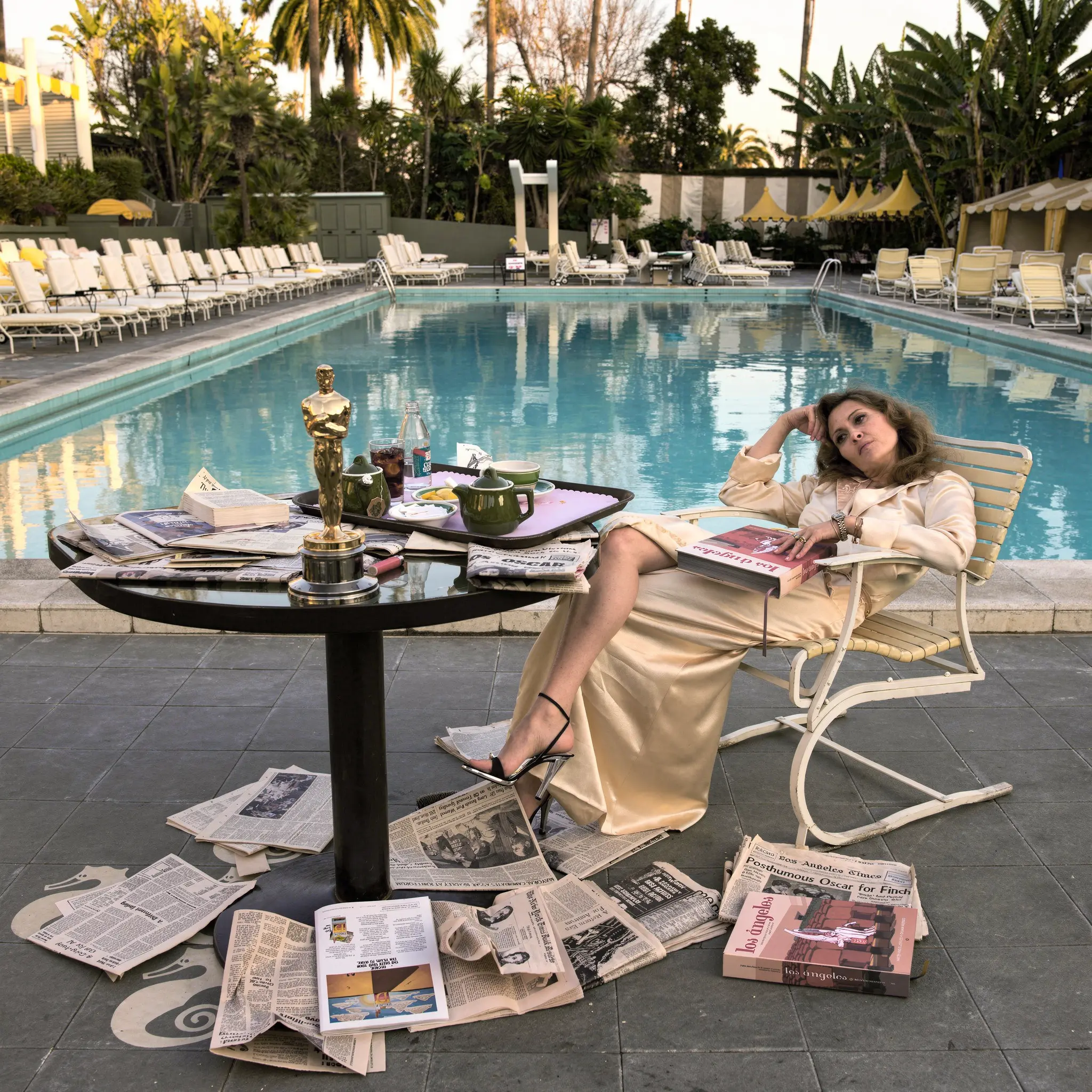
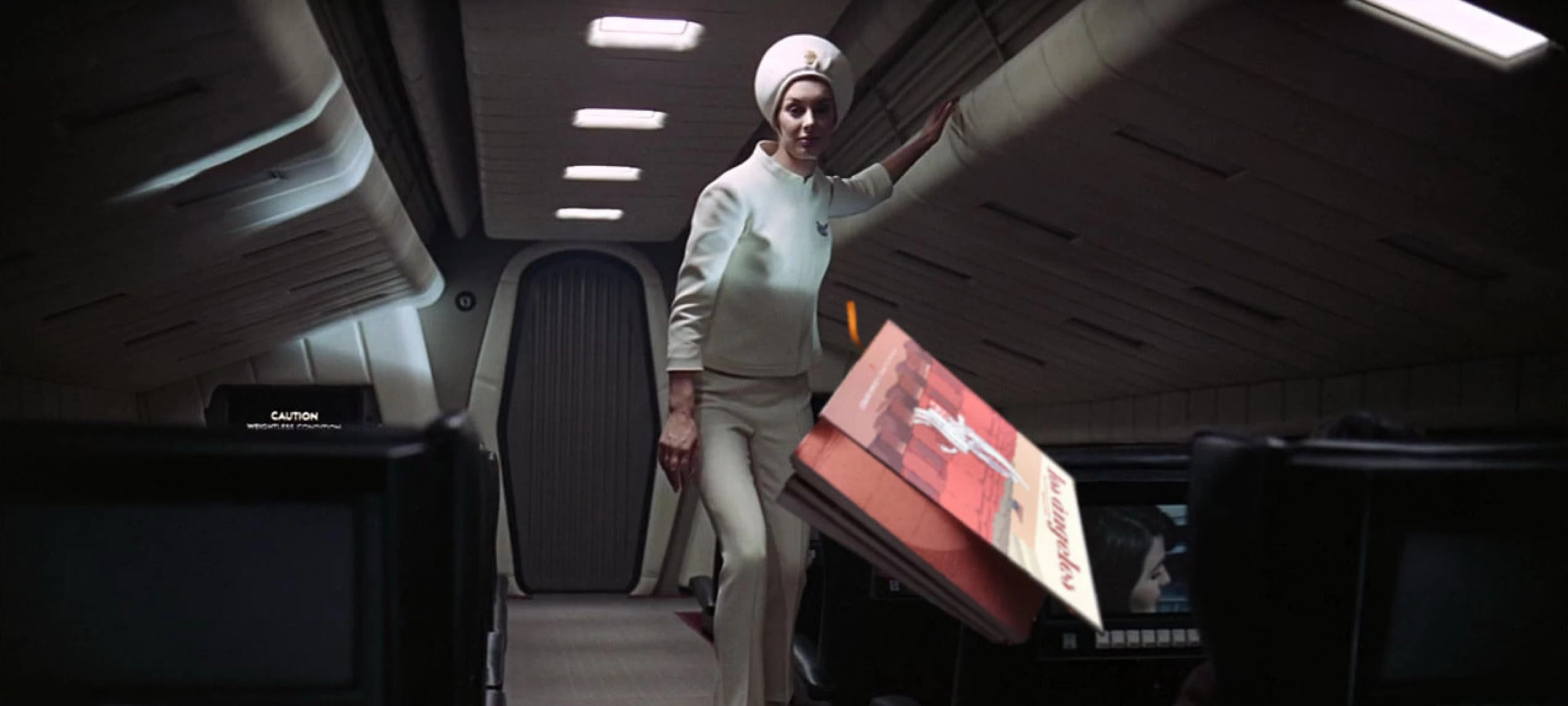
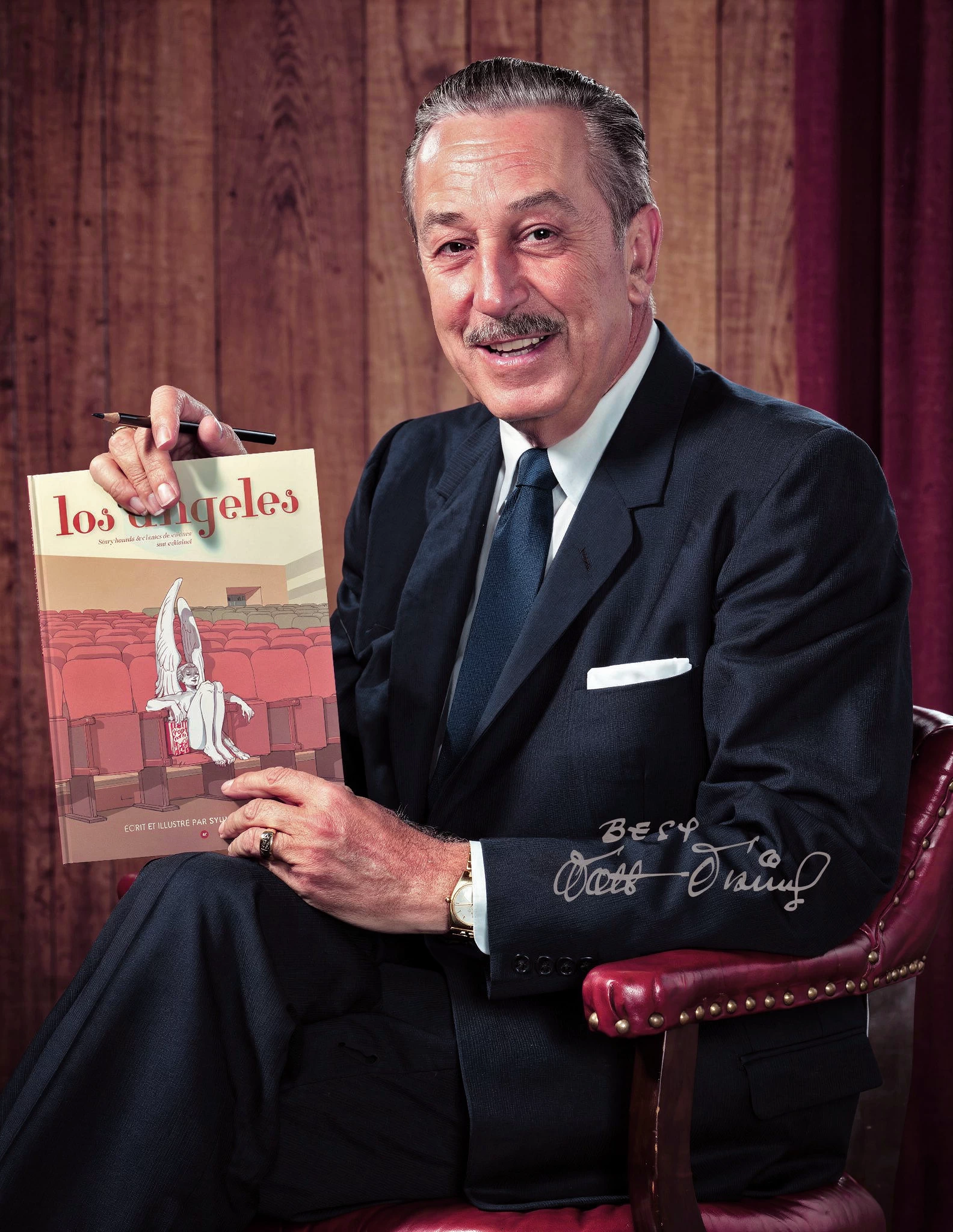
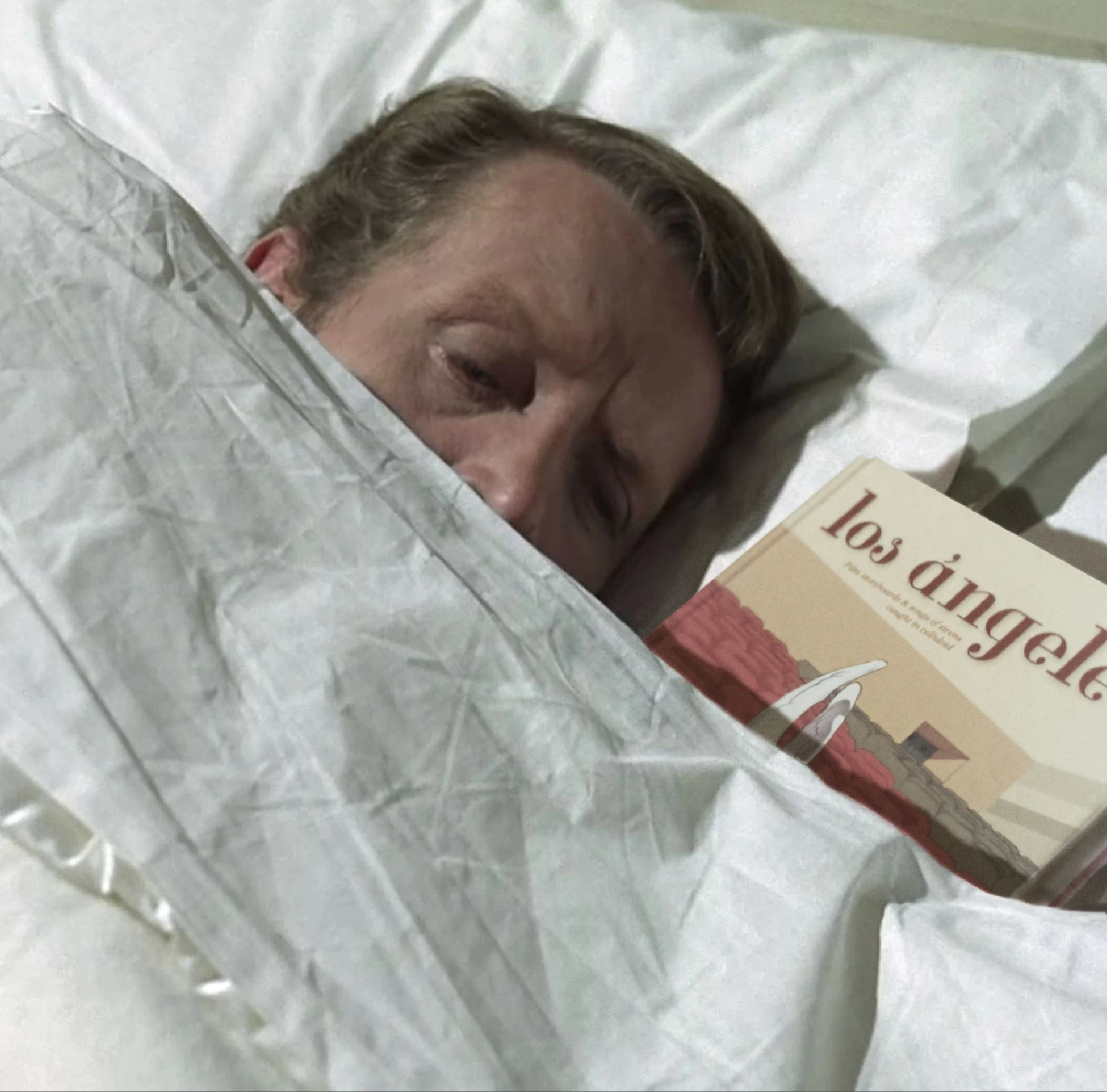
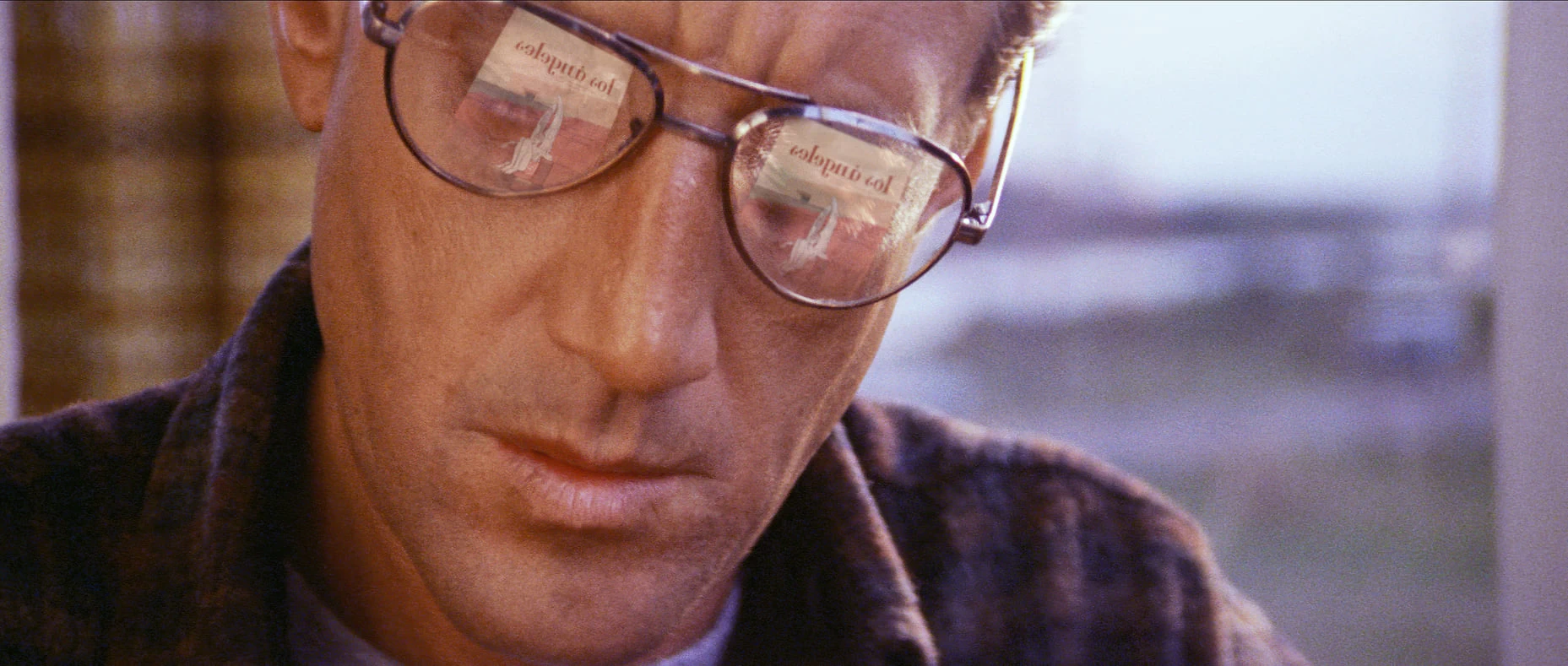
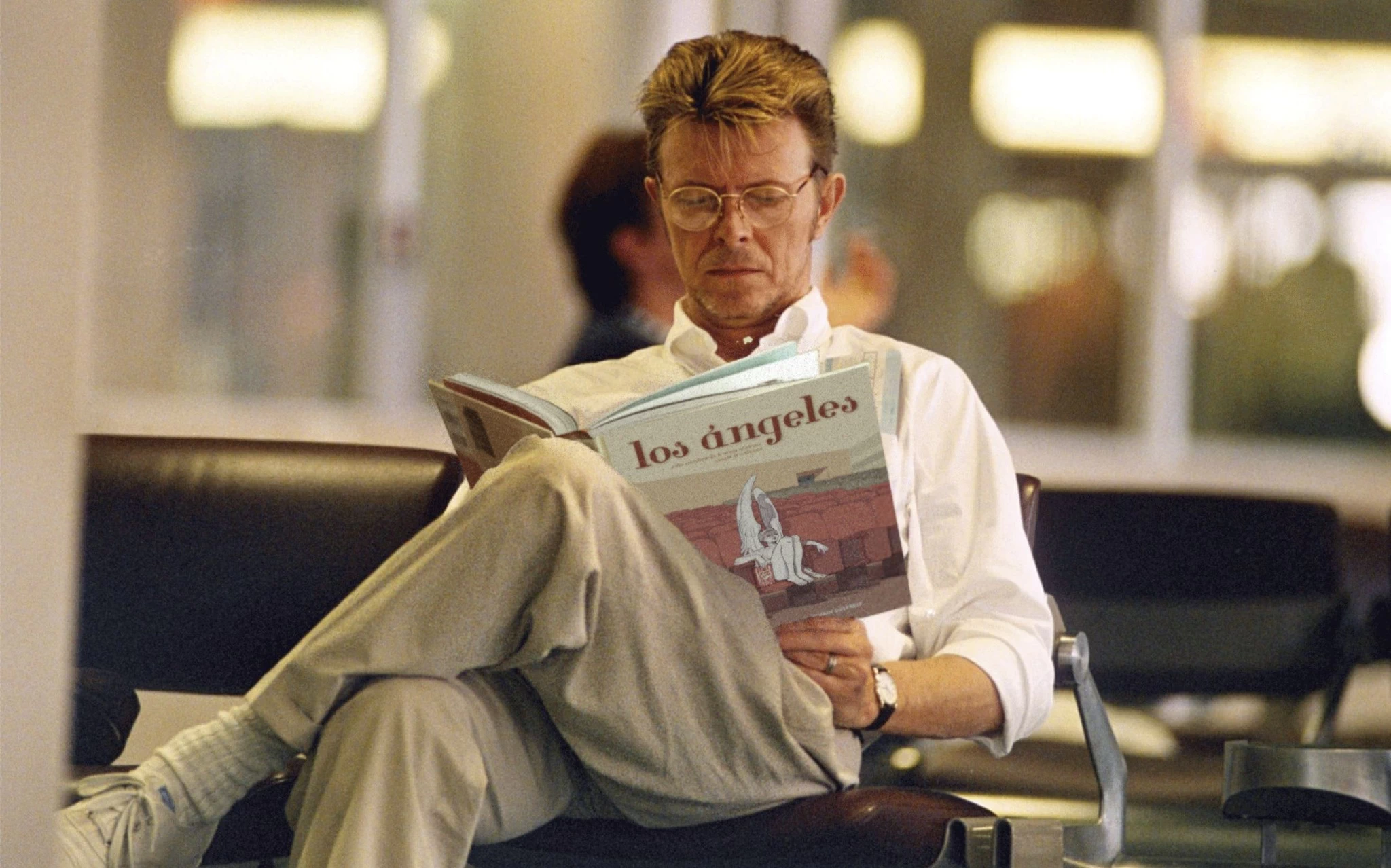
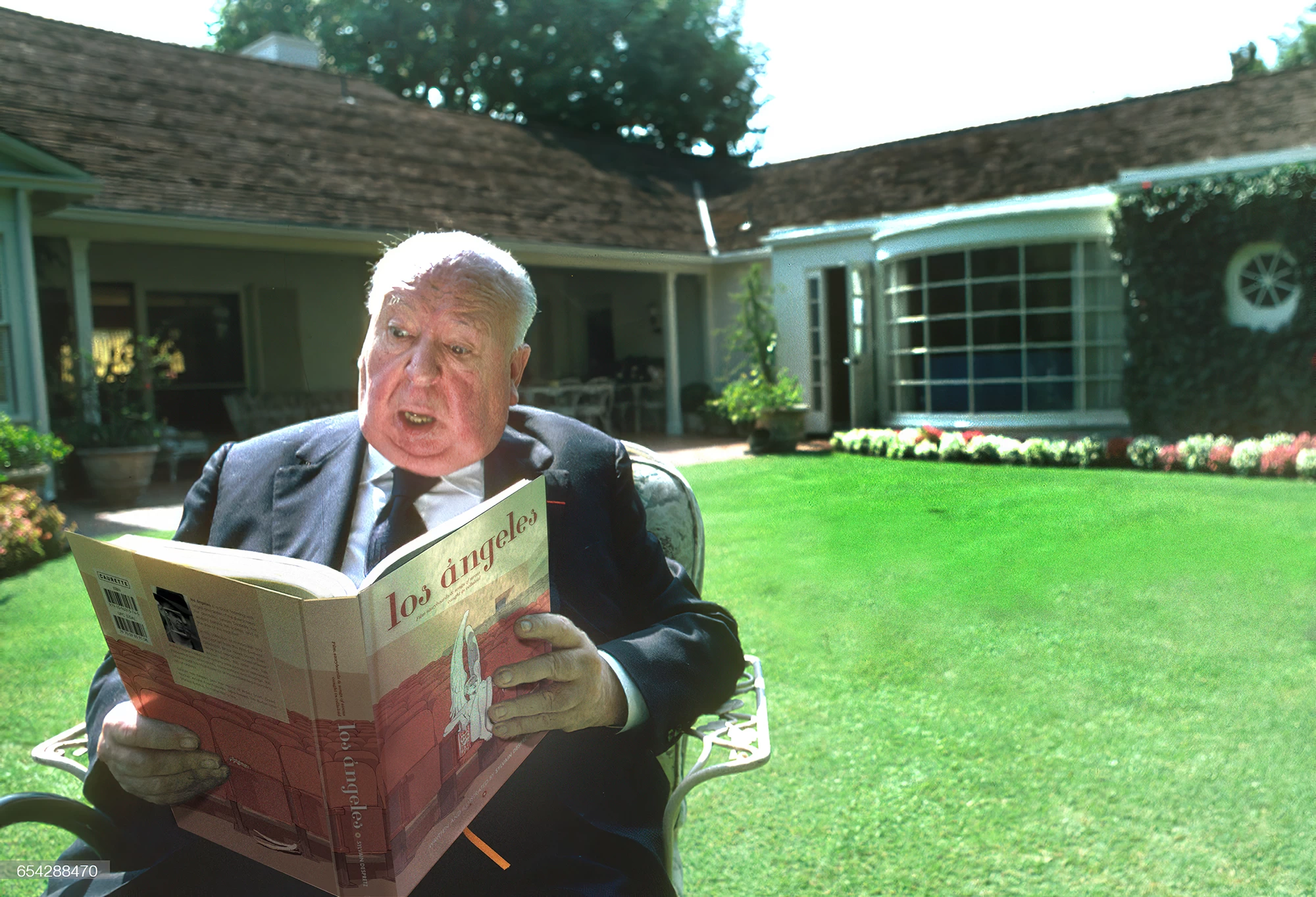
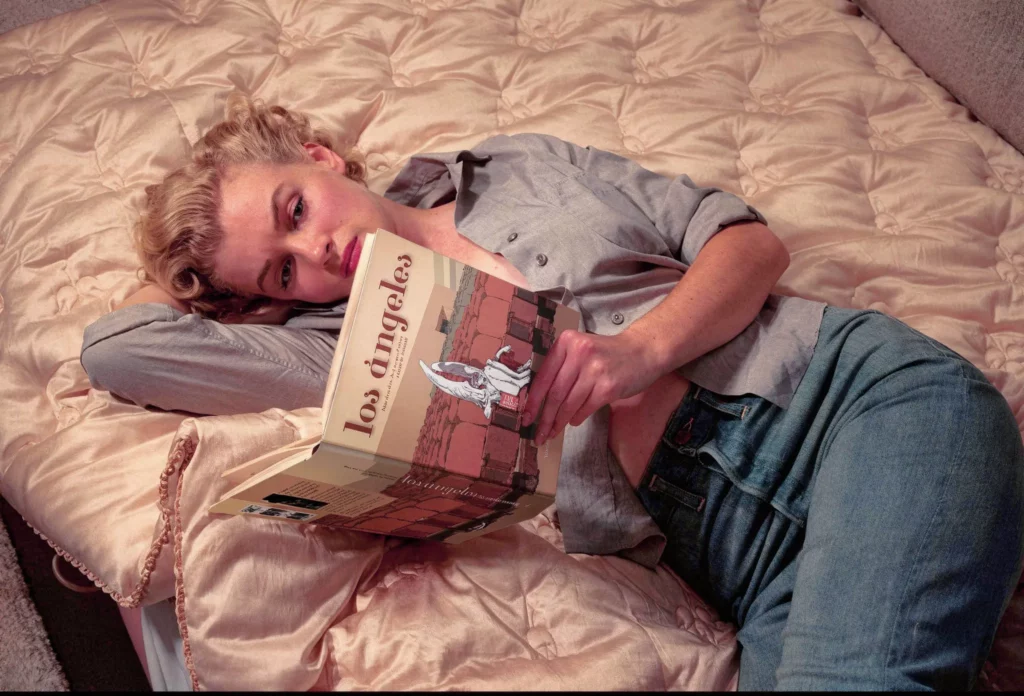
Designs and storyboards from The Fifth Element, Alien Resurrection, Planet of the Apes, Gladiator, Black Hawk Down, and more.
Los Angeles runs on optimism, caffeine, and the comforting belief that problems can be fixed in post.
Movies, unfortunately, cannot.
Long before actors arrive and marketing departments invent adjectives, a film lives or dies in drawings — quiet decisions about where a person stands, where the light falls, and whether the audience feels curiosity or merely concussion.
For more than twenty years, Sylvain Despretz has been present at that moment. Not on the red carpet — upstream from it. He is the artist directors call when they need a world to obey rules. His work has flavored films by Ridley Scott, David Fincher, Tim Burton and Stanley Kubrick — filmmakers who tend to prefer intention over coverage and atmosphere over insurance.
Collected here are storyboards, paintings, and conceptual explorations created for productions including Gladiator, Black Hawk Down, The Fifth Element and Eyes Wide Shut. These are not commemorative artifacts. They are blueprints — the place where a movie stops being a screenplay and starts becoming a physical argument about space, movement, and attention.
The accompanying text is neither memoir nor tutorial. Despretz writes about staging the way a chess player discusses tempo: why a figure crosses a room, why the camera refuses to follow, why emptiness can be louder than spectacle. He also notes, without hysteria, that cinema occasionally forgets this and replaces composition with velocity — the modern belief that if enough things explode at once, meaning might emerge by accident.
It rarely does.
What emerges instead, in these pages, is the older discipline: the frame as a decision. You see directors thinking. You see limitations become style. You see how restraint creates scale — a lesson periodically misplaced in an era that measures ambition by the terabyte.
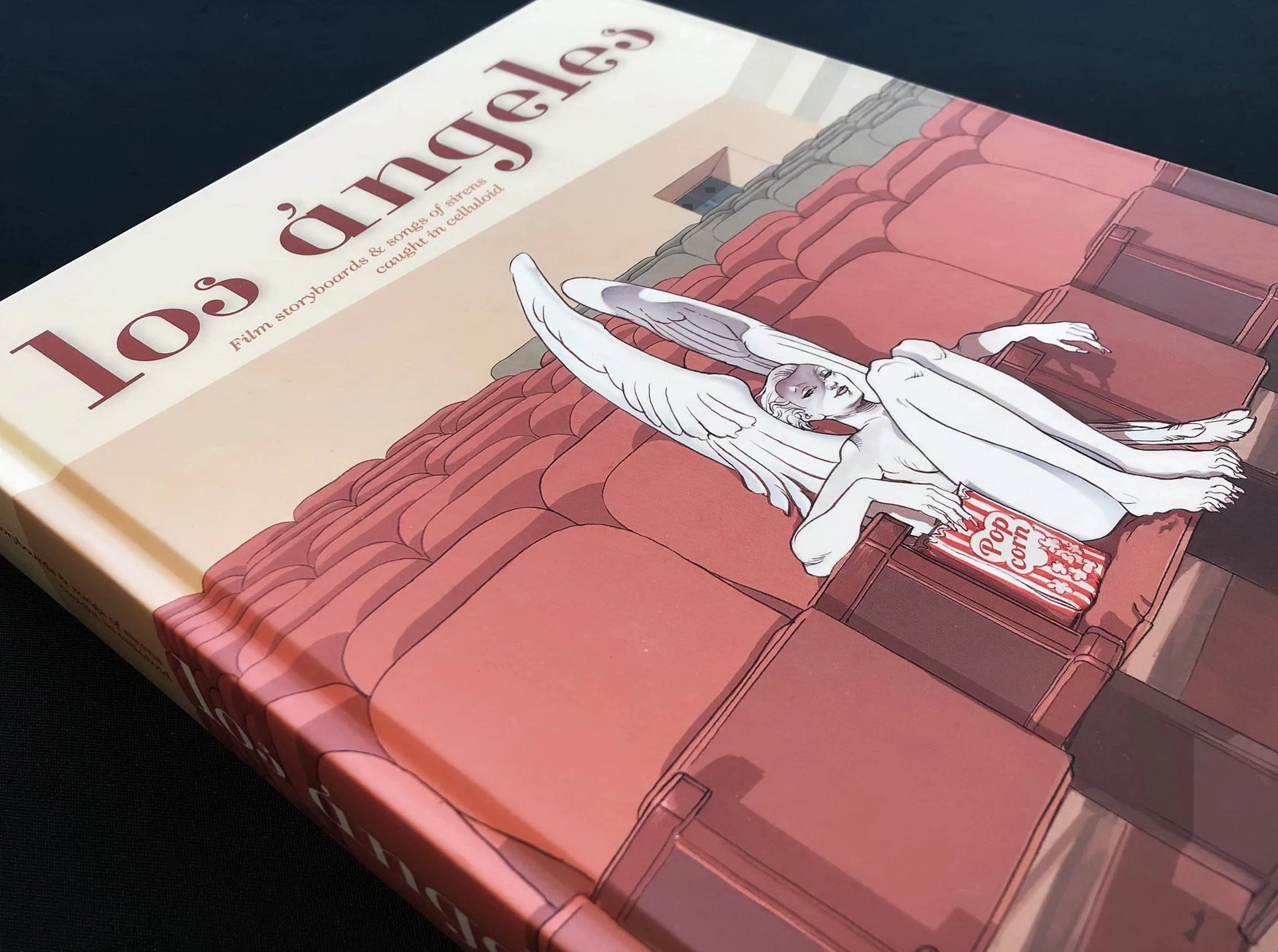
This book is a 400-page look at the invisible phase where films are actually concocted — before the weather, the budget, and the committee begin negotiating with reality.
For readers who like movies enough to notice where the camera stands. And for anyone who suspects that spectacle is most impressive when someone first bothers to compose it.